Get To know me. Yo soy...
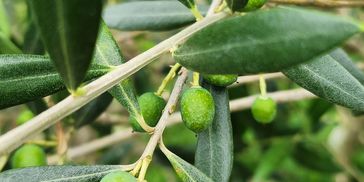
Yerbera
I am an herbalist rooted in the understanding that plants are more than ingredients—they are living medicines with histories, relationships, and teachings.
My work brings together traditional herbal knowledge, curanderismo, hands-on cultivation, and Western herbalism. As a grower, I have the privilege of knowing many plants through their
I am an herbalist rooted in the understanding that plants are more than ingredients—they are living medicines with histories, relationships, and teachings.
My work brings together traditional herbal knowledge, curanderismo, hands-on cultivation, and Western herbalism. As a grower, I have the privilege of knowing many plants through their entire cycle: from seed and soil, to leaf and flower, to harvest and preparation. This relationship shapes the way I practice herbalism.
I study the medicinal actions, energetics, constituents, preparations, contraindications, and traditional uses of plants, while also honoring something that cannot always be measured in a laboratory: the relationship between plant, person, land, ancestry, and community.
For me, herbalism is not simply asking, “What herb treats this symptom?” It is asking deeper questions: What is happening within the whole person? What has become depleted, stagnant, overheated, cold, inflamed, or out of balance? What does the body need in order to support its own processes?
My approach respects modern medicine and scientific knowledge while preserving traditional ways of knowing. I believe these perspectives do not have to compete with one another. When practiced responsibly, they can help us understand plants—and ourselves—from different directions.
Above all, I see myself as a student of the plants. No matter how many years we spend studying them, there is always another season, another preparation, another observation, and another lesson waiting in the garden.
Herbalism, to me, is medicine—but it is also relationship, responsibility, remembrance, and reciprocity.
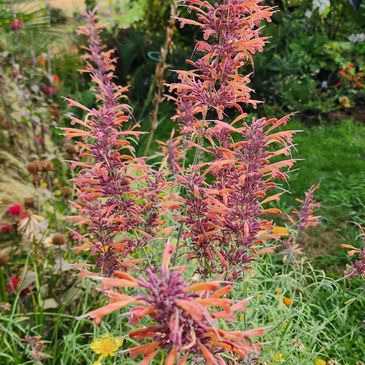
Sovereign Land Stewardship
I am a Sovereign Land Steward, rooted in the understanding that land is not simply something to own, but something to know, protect, cultivate, and honor.
I grow food and medicine, care for animals, tend the soil, and work alongside the natural rhythms of the seasons. Sovereignty, to me, is remembering how to provide, preserve, heal, and
I am a Sovereign Land Steward, rooted in the understanding that land is not simply something to own, but something to know, protect, cultivate, and honor.
I grow food and medicine, care for animals, tend the soil, and work alongside the natural rhythms of the seasons. Sovereignty, to me, is remembering how to provide, preserve, heal, and live in reciprocity with the Earth.
I care for the land, and in return, the land teaches me how to care for life.I am a Sovereign Land Steward.
My relationship with land is not based on ownership alone. I see land as something I am entrusted to know, protect, cultivate, restore, and leave healthier than I received it.
I work with the rhythms of the seasons, soil, water, plants, trees, animals, insects, fungi, weather, and the many relationships that create a living ecosystem. I grow food and medicine, tend gardens and medicinal plants, care for animals, save knowledge, and continually learn what the land itself is communicating.
Sovereignty, to me, means remembering how to provide, cultivate, preserve, teach, and care for what sustains life. It means becoming less disconnected from the sources of our food, medicine, water, and traditional knowledge.
As a land steward, I do not believe that everything growing must be controlled or that everything wild must be removed. I observe first. I learn the patterns of a place. I ask what belongs, what is struggling, what is becoming invasive, what needs protection, and what relationships can be restored.
There is also responsibility in sovereignty. To receive from the land means having an obligation to give something back.
So I plant. I compost. I cultivate medicine. I protect what is useful and sacred. I teach others what I have learned. And I continue building a relationship with the land that can extend beyond my own lifetime.
I am not separate from the land I steward.
I am one of its caretakers, and in caring for it, I remember how to belong to it.I am a Sovereign Land Steward.
My relationship with land is not based on ownership alone. I see land as something I am entrusted to know, protect, cultivate, restore, and leave healthier than I received it.
I work with the rhythms of the seasons, soil, water, plants, trees, animals, insects, fungi, weather, and the many relationships that create a living ecosystem. I grow food and medicine, tend gardens and medicinal plants, care for animals, save knowledge, and continually learn what the land itself is communicating.
Sovereignty, to me, means remembering how to provide, cultivate, preserve, teach, and care for what sustains life. It means becoming less disconnected from the sources of our food, medicine, water, and traditional knowledge.
As a land steward, I do not believe that everything growing must be controlled or that everything wild must be removed. I observe first. I learn the patterns of a place. I ask what belongs, what is struggling, what is becoming invasive, what needs protection, and what relationships can be restored.
There is also responsibility in sovereignty. To receive from the land means having an obligation to give something back.
So I plant. I compost. I cultivate medicine. I protect what is useful and sacred. I teach others what I have learned. And I continue building a relationship with the land that can extend beyond my own lifetime.
I am not separate from the land I steward.
I am one of its caretakers, and in caring for it, I remember how to belong to it.I am a Sovereign Land Steward.
My relationship with land is not based on ownership alone. I see land as something I am entrusted to know, protect, cultivate, restore, and leave healthier than I received it.
I work with the rhythms of the seasons, soil, water, plants, trees, animals, insects, fungi, weather, and the many relationships that create a living ecosystem. I grow food and medicine, tend gardens and medicinal plants, care for animals, save knowledge, and continually learn what the land itself is communicating.
Sovereignty, to me, means remembering how to provide, cultivate, preserve, teach, and care for what sustains life. It means becoming less disconnected from the sources of our food, medicine, water, and traditional knowledge.
As a land steward, I do not believe that everything growing must be controlled or that everything wild must be removed. I observe first. I learn the patterns of a place. I ask what belongs, what is struggling, what is becoming invasive, what needs protection, and what relationships can be restored.
There is also responsibility in sovereignty. To receive from the land means having an obligation to give something back.
So I plant. I compost. I cultivate medicine. I protect what is useful and sacred. I teach others what I have learned. And I continue building a relationship with the land that can extend beyond my own lifetime.
I am not separate from the land I steward.
I am one of its caretakers, and in caring for it, I remember how to belong to it.I am a Sovereign Land Steward.
My relationship with land is not based on ownership alone. I see land as something I am entrusted to know, protect, cultivate, restore, and leave healthier than I received it.
I work with the rhythms of the seasons, soil, water, plants, trees, animals, insects, fungi, weather, and the many relationships that create a living ecosystem. I grow food and medicine, tend gardens and medicinal plants, care for animals, save knowledge, and continually learn what the land itself is communicating.
Sovereignty, to me, means remembering how to provide, cultivate, preserve, teach, and care for what sustains life. It means becoming less disconnected from the sources of our food, medicine, water, and traditional knowledge.
As a land steward, I do not believe that everything growing must be controlled or that everything wild must be removed. I observe first. I learn the patterns of a place. I ask what belongs, what is struggling, what is becoming invasive, what needs protection, and what relationships can be restored.
There is also responsibility in sovereignty. To receive from the land means having an obligation to give something back.
So I plant. I compost. I cultivate medicine. I protect what is useful and sacred. I teach others what I have learned. And I continue building a relationship with the land that can extend beyond my own lifetime.
I am not separate from the land I steward.
I am one of its caretakers, and in caring for it, I remember how to belong to it.I am a Sovereign Land Steward.
My relationship with land is not based on ownership alone. I see land as something I am entrusted to know, protect, cultivate, restore, and leave healthier than I received it.
I work with the rhythms of the seasons, soil, water, plants, trees, animals, insects, fungi, weather, and the many relationships that create a living ecosystem. I grow food and medicine, tend gardens and medicinal plants, care for animals, save knowledge, and continually learn what the land itself is communicating.
Sovereignty, to me, means remembering how to provide, cultivate, preserve, teach, and care for what sustains life. It means becoming less disconnected from the sources of our food, medicine, water, and traditional knowledge.
As a land steward, I do not believe that everything growing must be controlled or that everything wild must be removed. I observe first. I learn the patterns of a place. I ask what belongs, what is struggling, what is becoming invasive, what needs protection, and what relationships can be restored.
There is also responsibility in sovereignty. To receive from the land means having an obligation to give something back.
So I plant. I compost. I cultivate medicine. I protect what is useful and sacred. I teach others what I have learned. And I continue building a relationship with the land that can extend beyond my own lifetime.
I am not separate from the land I steward.
I am one of its caretakers, and in caring for it, I remember how to belong to it.
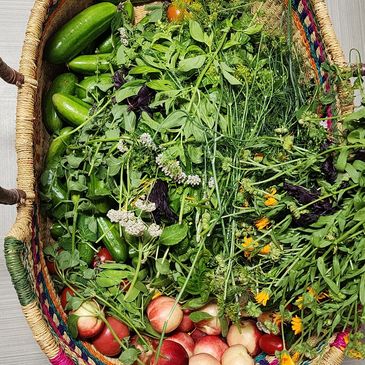
We are teachers, activists, community
We are teachers, activists, community
I am a Teacher, Activist, and Community Health Worker, dedicated to walking alongside vulnerable and marginalized communities with dignity, respect, and compassion.
My work goes beyond providing information or connecting people to resources. I educate, advocate, listen, and help individuals better understand their health, their choices,
I am a Teacher, Activist, and Community Health Worker, dedicated to walking alongside vulnerable and marginalized communities with dignity, respect, and compassion.
My work goes beyond providing information or connecting people to resources. I educate, advocate, listen, and help individuals better understand their health, their choices, and the systems they must navigate. I believe knowledge should be accessible and that people deserve to have their voices heard—especially those who have historically been overlooked, underserved, or excluded.
As a teacher, I share knowledge so that others can carry it forward. As an activist, I speak when silence allows inequity to continue. As a Community Health Worker, I help bridge the space between individuals, families, communities, and the resources meant to serve them.
My purpose is not to speak for people, but to stand beside them, strengthen their voices, and help create spaces where they can advocate for themselves and one another.
To me, community work is about relationship, responsibility, and collective care. When we strengthen the most vulnerable among us, we strengthen the entire community.